PANIC ATTACKS

(also see our separate page on PANIC DISORDER)

WHAT IS A PANIC ATTACK?

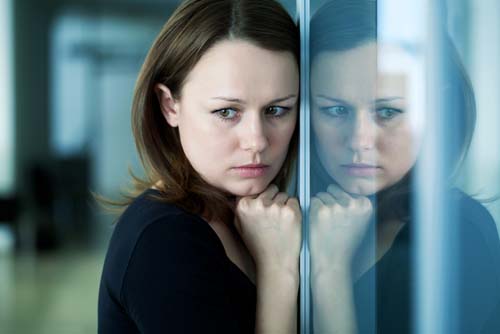
A panic attack is an episode where you feel intense panic and terror. Typical symptoms include:

  • a pounding heart

  • an overheating body or abrupt sweating, or a sudden chill in the body

  • feeling faint, dizzy or weak

  • numbing or tingling of hands

  • chest pain or a feeling of smothering (a common symptom which often leads people to think they are having a heart attack)

  • a sense of unreality

  • a fear of imminent disaster or loss of control

  • a fear of dying

Panic attacks tend to strike people suddenly and without warning. If you experience this common form of panic attack, you will generally find that the panic attacks can happen at any time, and without any obvious stimulus or cause.  Most panic attacks last for a few minutes although sometimes they can continue for up to 10 minutes. In extreme cases, a panic attack may last as long as an hour, although this is unusual.

Panic attacks can come on at any age, in children, in adulthood or in the elderly, although it most commonly appears in young adults. Psychologists believe that panic attacks will affect up to 12% of Australians at some time in their lives, and it is twice as likely to affect women, rather than men.

Note that some people experience panic attacks which are actually symptoms of another illness – for example, a panic attack might be caused by the physiological effects of a drug addiction or by a non-psychological medical condition, such as huperthyroidism. In these circumstances, the panic attacks would not be classified in the same way. (This article is electronically protected - Copyright © Associated Counsellors & Psychologists Sydney PTY LTD)

WHAT IS PANIC DISORDER?

If panic attacks persist, psychologists will classify the occurrences as Panic Disorder. Panic disorder is often accompanied by a strong sense of anxiety between attacks – a fear about when and where the next attack might come.  You can also check out our dedicated page on Panic Disorder.

It is also not uncommon for a person with panic disorder to develop specific phobias or even generalised agoraphobia (a fear of public places). A phobia of the pace or situation in which the panic attack first occurred is commonly feared and often avoided (for e.g, if you first had a panic attack when you were near a pool, you might avoid swimming altogether). Please read the relevant sections of our website if you think that your panic attacks have developed in Panic Disorder or if your panic might be specifically related to a form of phobia, such as Social Phobia, Agoraphobia or Specific Phobia.

CAN COUNSELLING THERAPY & PSYCHOLOGISTS HELP?

Early intervention and treatment with a specialist counselor or psychologist will generally help to reduce the occurrence and severity of attacks, and stop the onset of more serious illnesses like panic disorder and agoraphobia.

Counselling for Panic Attacks or Panic Disorder will generally encompass: relaxation techniques, cognitive behavioural therapy (to challenge and change the patient’s fear response), exposure therapy, assertiveness training, and relapse prevention. Underlying causes for the panic attacks may also be addressed.

Panic attacks strike ordinary people, even when they don’t think they are particularly prone to anxiety. If it happens to you, don’t be afraid to seek immediate help from a counselor and prevent the attacks from negatively impacting on your life.

To enquire about professional counselling for panic attacks or panic disorder by qualified Counsellors & Psychologists in Sydney call Associated Counsellors & Psychologists Sydney. We welcome your enquiry.

DISCLAIMER

All health information provided on counsellingsydney.com.au is general in nature and is provided for information purposes only. The information contained on this site should not be used to diagnose or treat psychological conditions, nor should it be used as an alternative to obtaining counselling or psychological advice from a qualified counsellor, psychologist, psychotherapist, psychiatrist or medical practitioner. Please consult a counselling professional or a health care provider about any health concerns you might have about yourself or others. Associated Counsellors & Psychologists Sydney Pty. Ltd does not accept liability for any loss or damage associated with the use of this site.

This site may contain links to third party sites including sites on counselling, psychologist services, mental health and other unrelated material. The existence of these links is not to be construed as an endorsement by Associated Counsellors & Psychologists Sydney Pty. Ltd as to the accuracy or quality of the information or services provided by these third party sites and we do not accept liability for any loss or damaged associated with the use of these third party sites.

This page is electronically copyright protected - do not copy - Copyright © Associated Counsellors & Psychologists Sydney PTY LTD

Want Us to Call You?


Bondi Junction

Bondi Junction Map

603/3 Waverley St
Bondi Junction NSW 2022
Tel: (02) 8094 1792

Sydney CBD

Sydney CBD Map

418/185 Elizabeth St
Sydney CBD NSW 2000
Tel: (02) 8205 0566

Surry Hills

Surry Hills Map

302/88 Foveaux St
Surry Hills NSW 2010
Tel: (02) 8094 1790

Glebe

Glebe Map

5/198 St Johns Rd
Glebe NSW 2038
Tel: (02) 8094 1796

North Shore Sydney

North Shore Sydney Map

343 Sailors Bay Rd
Northbridge NSW 2063
Tel: (02) 8094 1793

North Sydney

North Sydney Map

11a Hazelbank Rd
Wollstonecraft 2065
Tel: (02) 8090 1019

Sutherland Shire

Sutherland Shire Map

4/26 President Ave
Caringbah NSW 2229
Tel: (02) 8094 1799

Central Coast

Central Coast Map

4/42 Mann St
Gosford NSW 2250
Tel: (02) 8094 1785‎

ShareThis